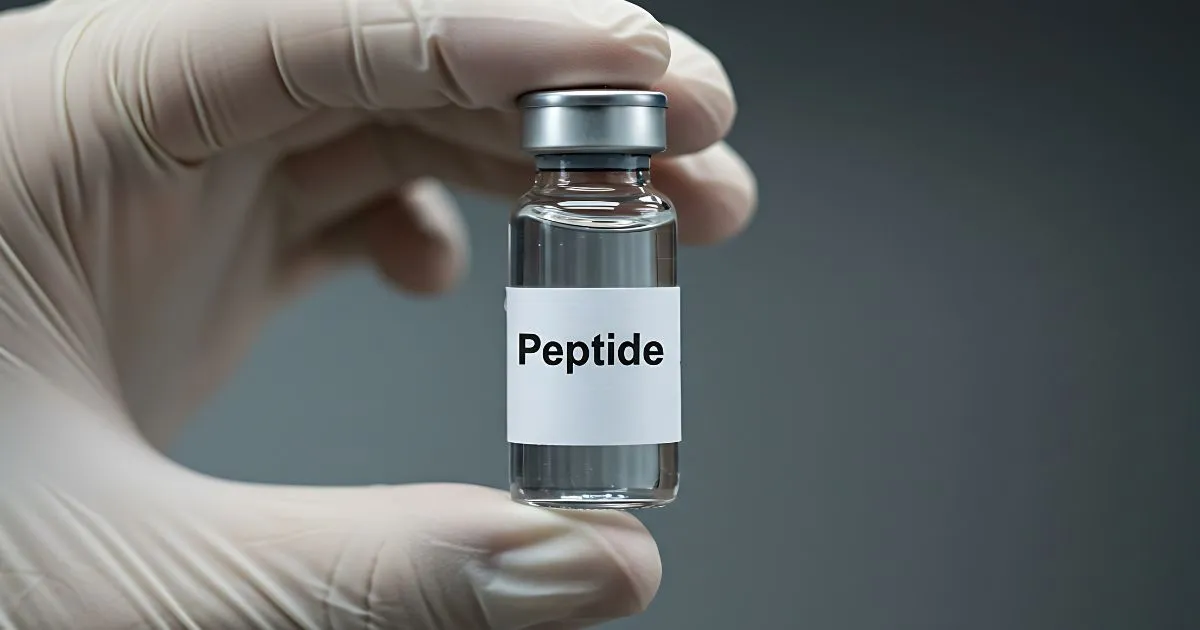
Best Practices For Peptide Storage Space And Security
Peptide Storage Space And Handling The equipment you need, the mistakes to prevent, and the repairing steps when something fails. Whether you're new to study peptides or wanting to enhance your existing protocols, the information below will transform just how you approach every vial that crosses your bench. Amount of peptide in each vial as identified by amino acid analysis in Research Supplier twofield laboratories in 2015. Quantity of peptide in each vial as established by amino acid evaluation perSRM ® 8327 package insert. Reconstituted peptides are generally maintained refrigerated, protected from light, and secured meticulously in between usages. . Hydrophobic peptides, specifically those with numerous non-polar amino acids, may not dissolve well in simple water. For these sequences, briefly adding a percentage of water down acetic Have a peek at this website acid or DMSO can assist solubilize the peptide prior to thinning down with water. Check manufacturer recommendations for specific compounds. Research peptides show up in lyophilized kind forever reason. Freeze-drying gets rid of water from the peptide service, leaving behind a steady powder that can survive shipping and storage without the quick destruction that afflicts liquid formulas. Additionally, in previous records using AAA of unrefined peptidepreparations to assess content without a desalting action were endangered byresidual scavenger reagents (42 ). Table 4 contrasts the AAA of the high andlower purity peptides displayed in Fig. The existence ofpeptide varieties without the N-terminal residue follows the lowercontent of Phe in the reduced pureness prep work. Some amino acids were notdetected well in either the high or reduced pureness examples. A perpendicular entry with the bevel facing down takes full advantage of cutting activity and coring danger. Do it incorrect and rubber pieces pollute your option. Do it repetitively with bad technique and you'll ultimately endanger the seal completely. Consistent handling generally protects product security much better than irregular storage space regimens. Taking care of strategy issues due to the fact that also good storage problems can be weakened by poor everyday practices. The majority of stability loss originates from a small number of repeated environmental and dealing with issues. We provide only the finest quality products for clinical research study functions. By adopting those preventative measures and applying strong storage procedures, you can strike the possibility of peptide destruction and make certain reliability as well as consistency of your research tasks. Peptides have a natural fondness to "stick" or bind to some surface to glass and plastic, which decreases the effective focus of your remedy.
What negates peptides?
Salicylic acid''s exfoliating activity may undercut the peptides, diminishing their skin-repairing advantages. Referral: To stay clear of any communication, use salicylic acid and peptide items at various times. For instance, incorporate salicylic acid in your early morning routine and peptides in your night regimen.
Ecological Risks To Peptide Stability
The majority of lyophilized (freeze-dried) peptides remain stable for 2+ years when saved at -20 ° C in a secured vial secured from light and dampness. Some highly secure compounds like BPC-157 and TB-500 can last 3+ years under optimal problems. For ultra-long-term archival, -80 ° C storage can prolong stability to 5+ years. Whether you're taking care of a college research laboratory, biotech facility, or pharmaceutical study program, these clinically validated storage space protocols will certainly help protect peptide security and research study integrity. Peptide security differs considerably based on amino acid composition and series.Signs Of Peptide Deterioration
- When evaluating carriermolecules, care ought to be required to choose components that do not interferewith detection of the target peptide or excessively contribute to samplecomplexity or instrument contamination.
- At 2,500 mcg/mL concentration, attracting 0.1 mL delivers 250mcg of peptide.
- The pH commonly runs somewhat acidic, around 5.7, which most peptides endure well.